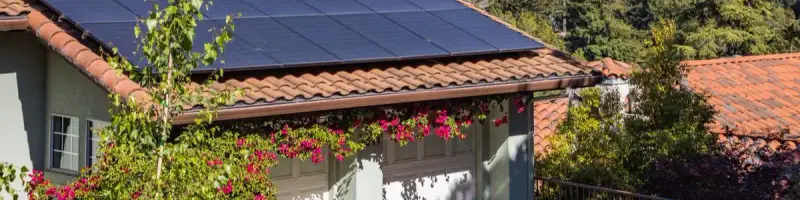
Peoria, IL Roof Pros: Roof Replacement, Leak Repair and Wind Work Above and Below the Bluff
Expert residential and commercial roofing services. Free inspections across Peoria County, and a written scope before anyone touches your roof.
- ✓Illinois roofing contractor license number printed on every bid, contract and advertisement
- ✓Your address's elevation, exposure zone and lot grade written into the scope before pricing
- ✓Sheathing priced by the sheet and signed off before the tear-off starts
- ✓We never offer to pay, waive or rebate an insurance deductible
Why Peoria Chooses Peoria Roof Pros
- ✓We look up the elevation and lot grade at your address before the appointment, because on the Peoria bluff the ground around the house predicts the cost of the roof better than the roof does.
- ✓The fastening specification changes by exposure zone. Six nails per shingle and cemented starter at both rakes on the plateau rim, and the standard schedule down on the valley floor where that load never arrives.
- ✓Staging is a named line item. Where the debris trailer sits, where material lands, and how far it is hand-carried are on the first page of the bid rather than found on tear-off morning.
- ✓We refuse coatings over steep-slope shingles outright, and we refuse tile conversions with no structural engineer's letter naming the load.
- ✓On the pre-1940 bluff stock we price the re-deck over board sheathing openly, because a modern shingle nailed into a skip gap holds nothing and pretending otherwise is how those roofs fail early.
- ✓We tell valley-floor customers to skip the wind upgrade and spend the money on intake ventilation and deck instead, which is the smaller sale and the better roof for that address.
How It Works
We Look Up Your Address Before We Drive Out
We pull the elevation at your address and the grade of your lot before the appointment, so we arrive knowing whether this is a valley-floor job, a bluff-face job or a plateau job. It changes what we bring and what we expect to find.
The Lot Walk Comes Before the Roof Walk
Driveway grade, retaining walls, where a truck can stand, whether there is level ground for a debris trailer, and how far material has to travel to the eave. On a Peoria hillside lot that is a real share of the cost, and it belongs in the bid, not in a change order.
Every Slope, Then the Attic
We walk everything it is safe to walk and put a pole camera on whatever is not, logging each slope by the direction it faces, since north-facing bluff slopes hold snow and moss for weeks. Then the attic, for intake, frost staining and the ventilation path.
A Written Scope That Names the Zone
You get slope-by-slope photographs set against a diagram, the fastening and flashing specification in writing, a price per sheet of sheathing settled before the tear-off starts, and the staging plan. Then we build exactly that.
Our Roofing Services in Peoria, IL
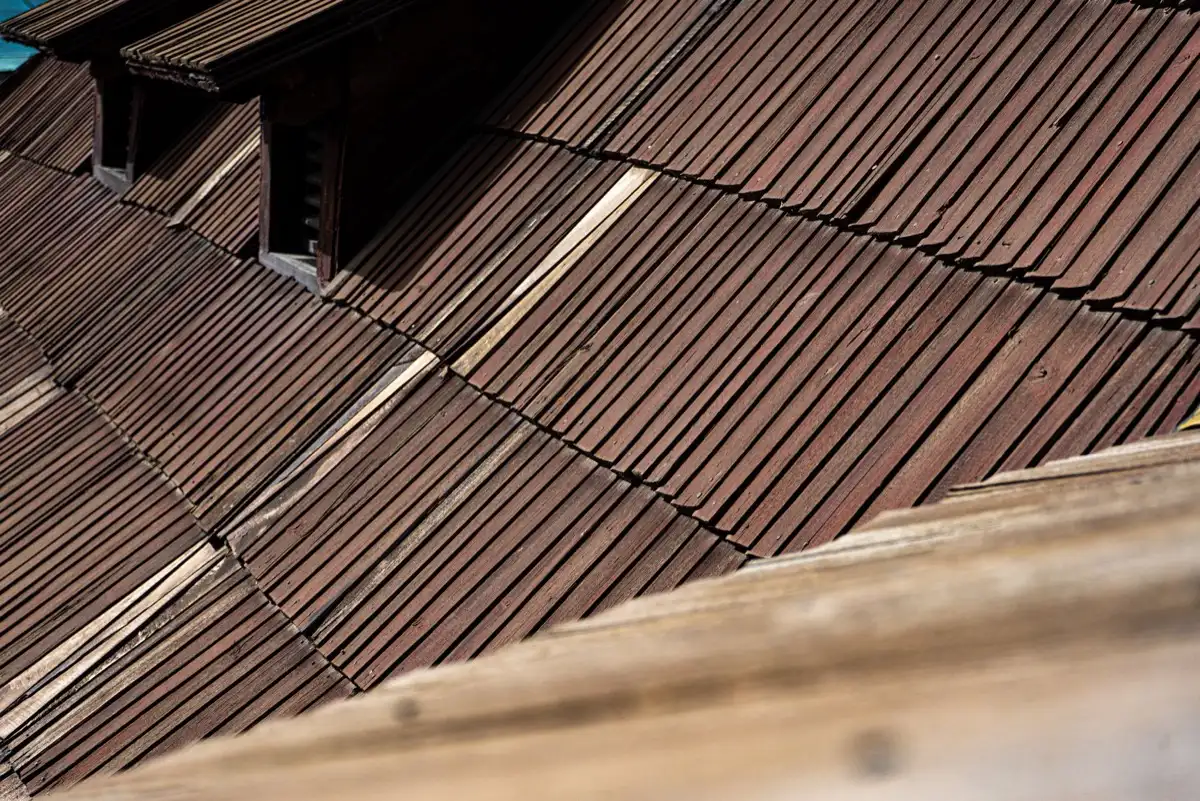
Roof Replacement
Two Peoria houses three miles apart can need different roofs. The Illinois River bluff runs from roughly 785 feet at Peoria Heights down to about 460 feet on the valley floor, and wind, drainage and truck access all change on the way down.
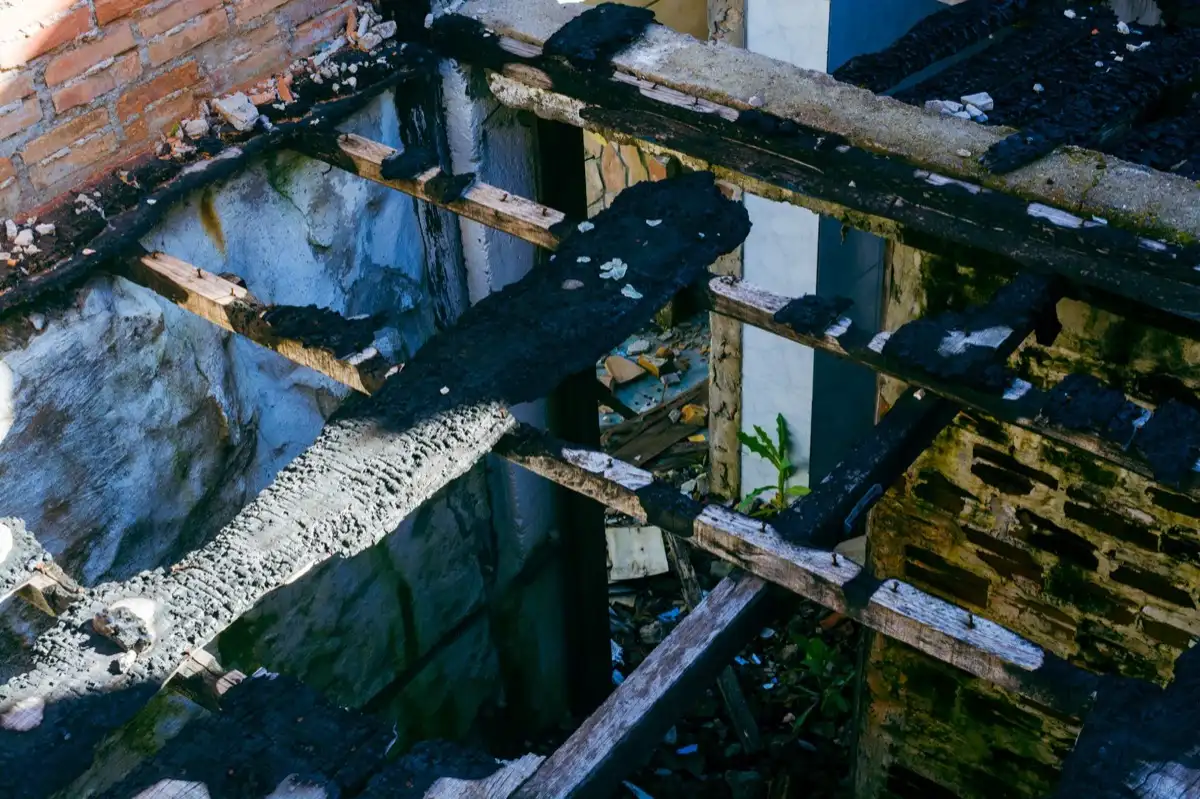
Roof Leak Repair
Half the leaks we chase on the Peoria bluff are not roof leaks. On a hillside lot the ground above the house is higher than the first floor, and water arrives sideways through a foundation wall while the homeowner is looking at the ceiling.
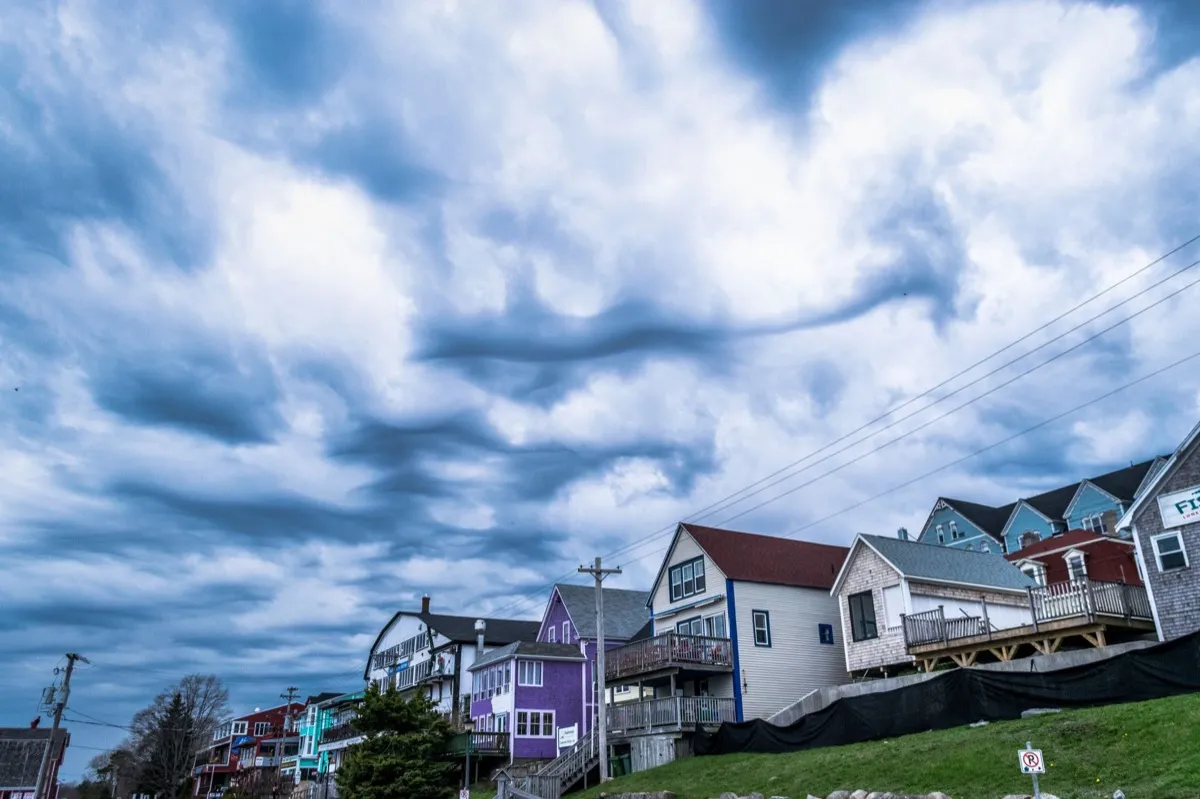
Storm Damage Restoration
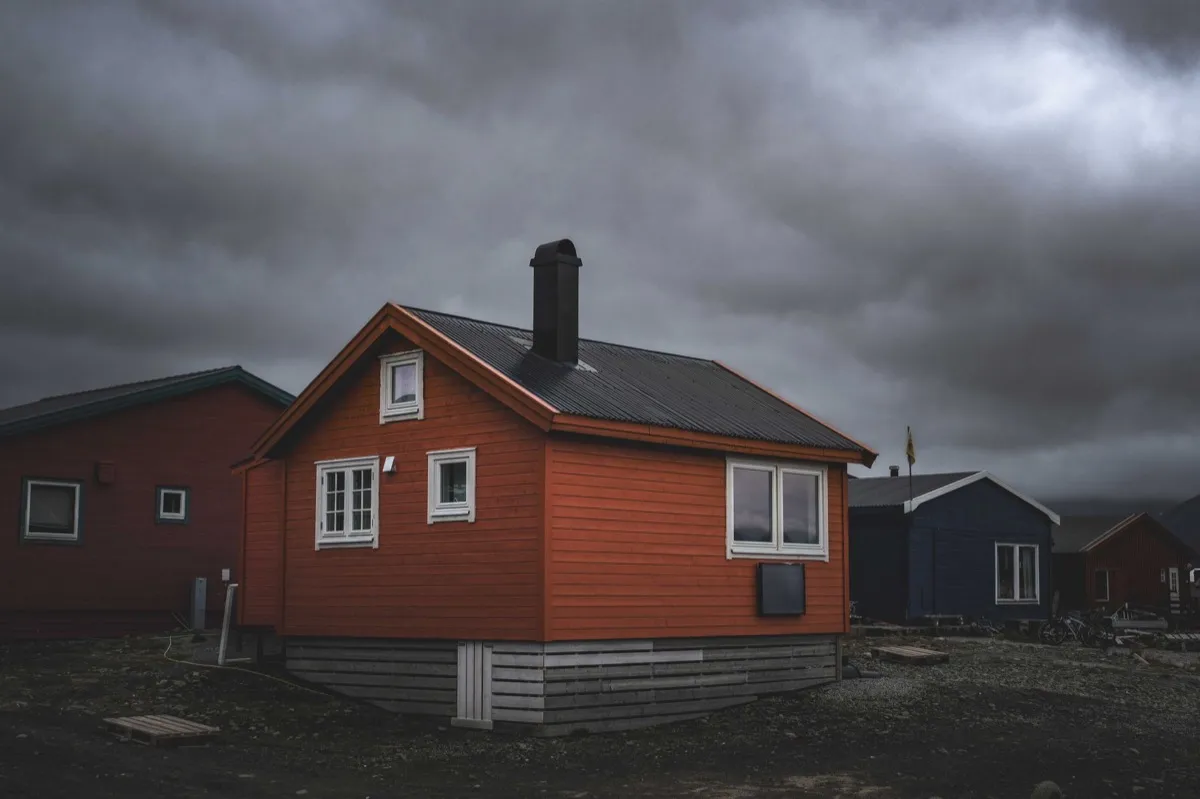
A squall line crossing Peoria County does two different things depending on where you live. On the plateau it takes shingles.
Hail Damage Roofing
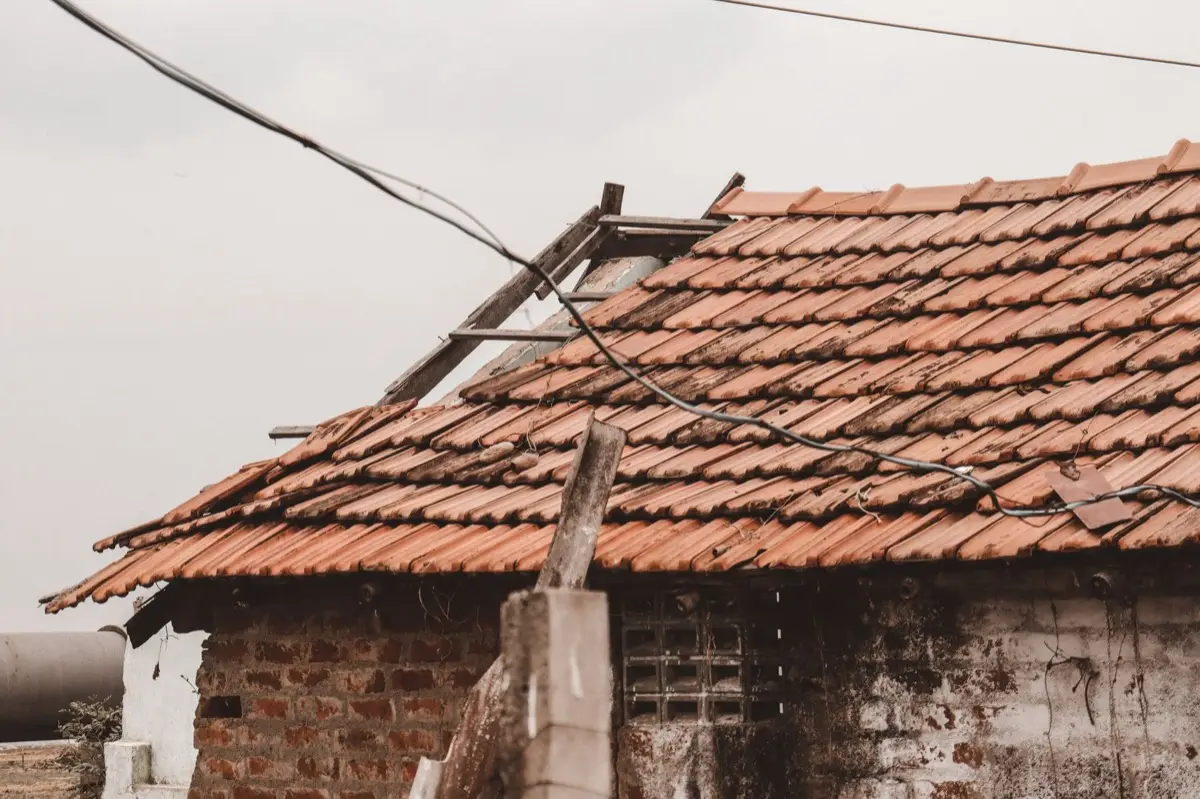
Here is the page where our whole argument stops working. Hail does not care which side of the bluff you live on.
Wind Damage Roofing
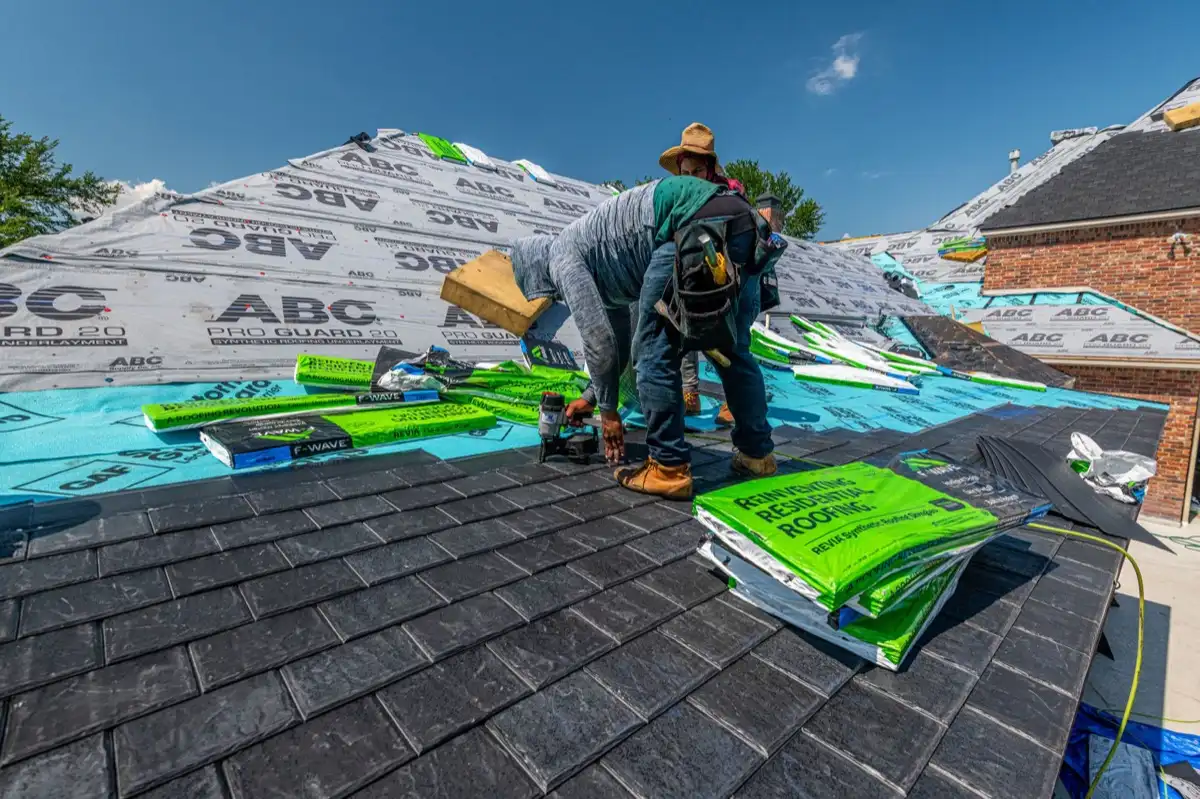
Wind is the one thing on this roof that the bluff genuinely controls. Air crossing the Illinois River valley climbs a slope that gains more than 340 feet inside a single mile at Peoria Heights, and it speeds up as it goes over the lip.
Roof Inspections
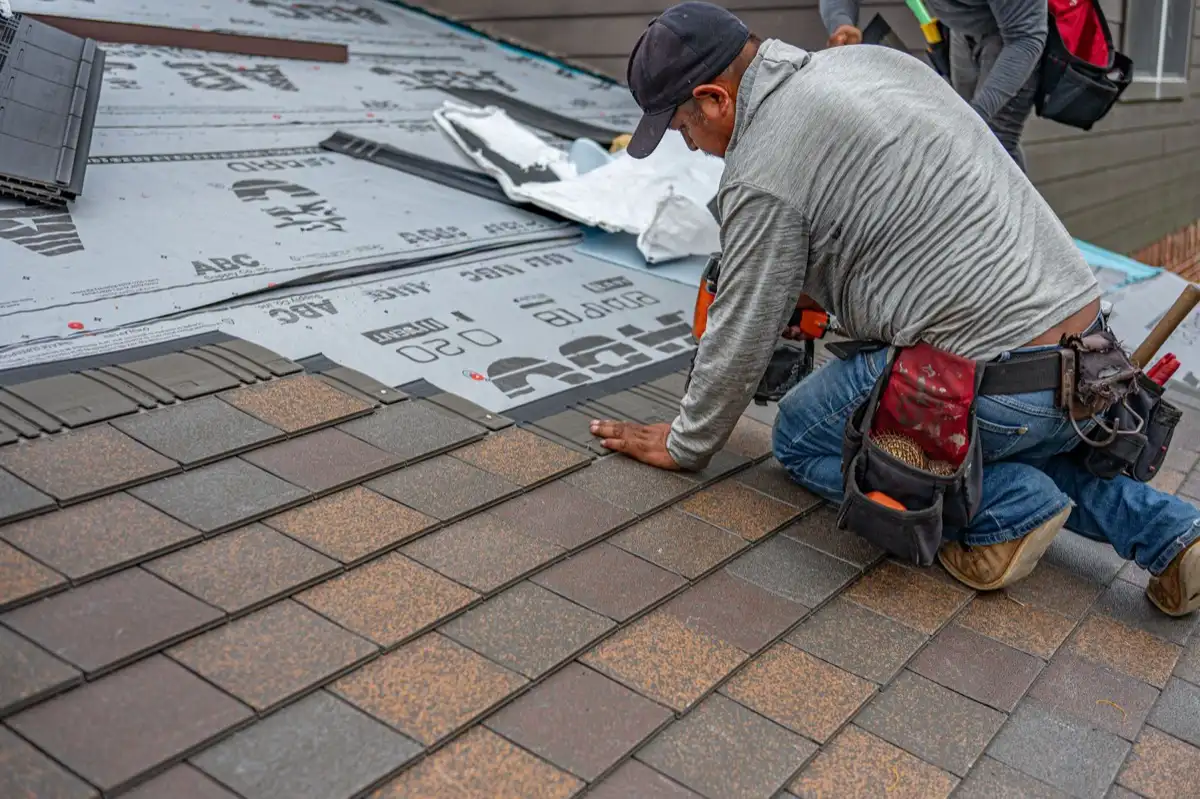
Our inspection starts at the curb and does not look at the roof for the first ten minutes. On the Peoria bluff, the lot decides more about a roof's cost and its future than the shingle on it does, and almost nobody writes that down.
Asphalt Shingle Roofs
This is the page where the bluff changes what we actually sell you, and the recommendation flips depending on your address. Same product line, same crew, two different specifications about four miles apart.

Metal Roofing
We will talk you out of standing seam on a bluff-face lot more often than we sell it, and it has nothing to do with the roof. Standing seam panels are made in continuous lengths, and a cut-and-fill hillside lot has nowhere to put them.

Tile Roofing
Tile is rare in Peoria County and we would rather tell you that than pretend otherwise. What exists is mostly original clay on the 1910s and 1920s houses along the bluff, plus a scatter of concrete tile on later custom homes.

Flat & Low-Slope Roofing
Most low-slope work in Peoria, IL is not a flat commercial building. It is the back half of an older house: a rear addition, a porch deck, a shed dormer roof over a kitchen that was added in 1948 and has been patched ever since.
Roof Coatings & Sealing
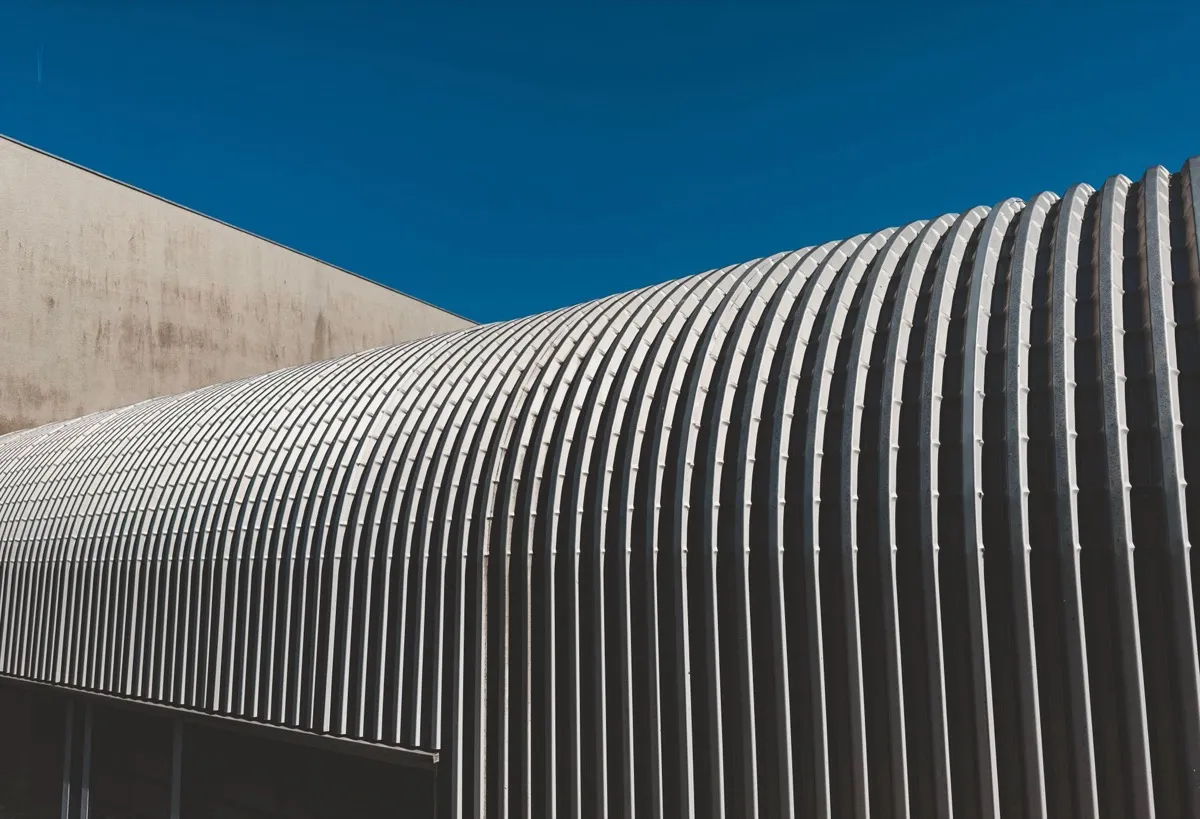
We will not sell you a coating for a shingle roof. That is not a preference, it is a refusal, and it is the single most common thing homeowners in Peoria County call us asking for after somebody knocked on their door.
Roof Ventilation
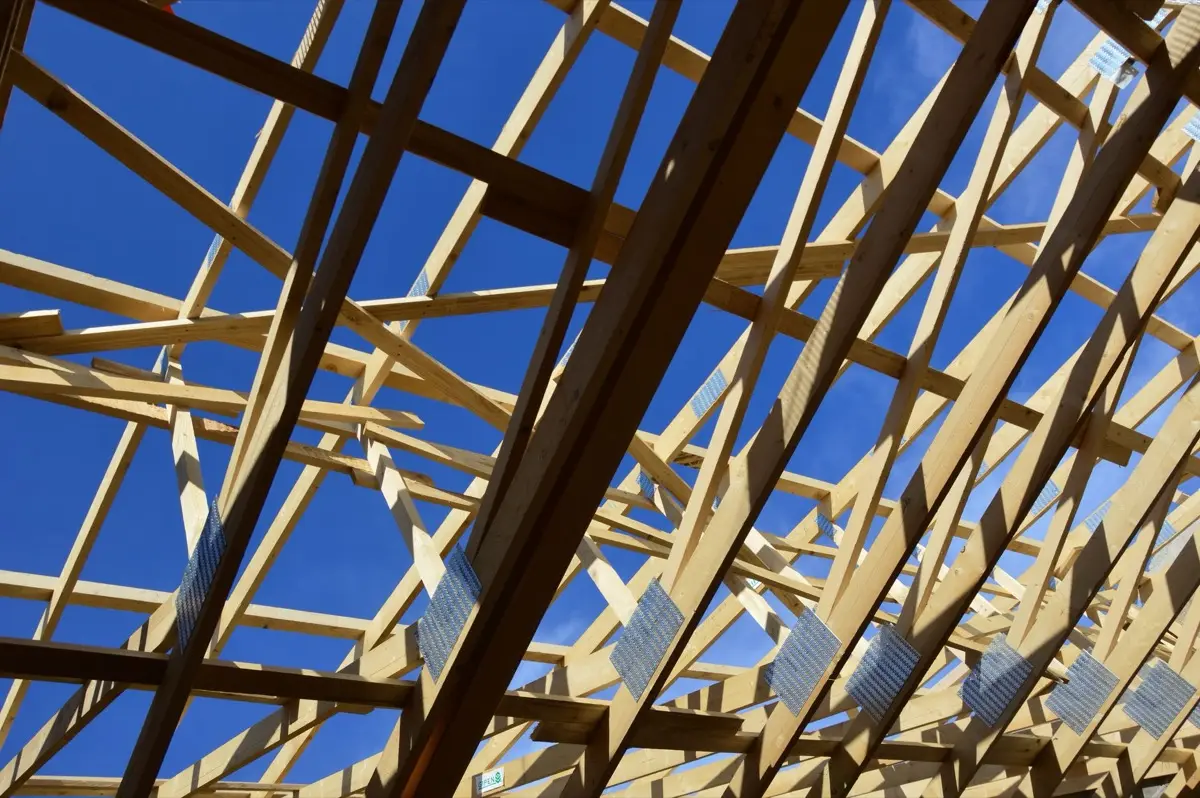
Ridge vent is the standard recommendation everywhere, and on about a third of Peoria's houses it makes the problem worse. Which third depends on when the house was built, which on this bluff correlates almost perfectly with where it sits.

Skylights
The Peoria bluff sells more skylights than any salesman does. Houses along the rim look east over the Illinois River valley, and owners who love that view keep asking for glass on the slope that faces it.
Fascia & Soffit
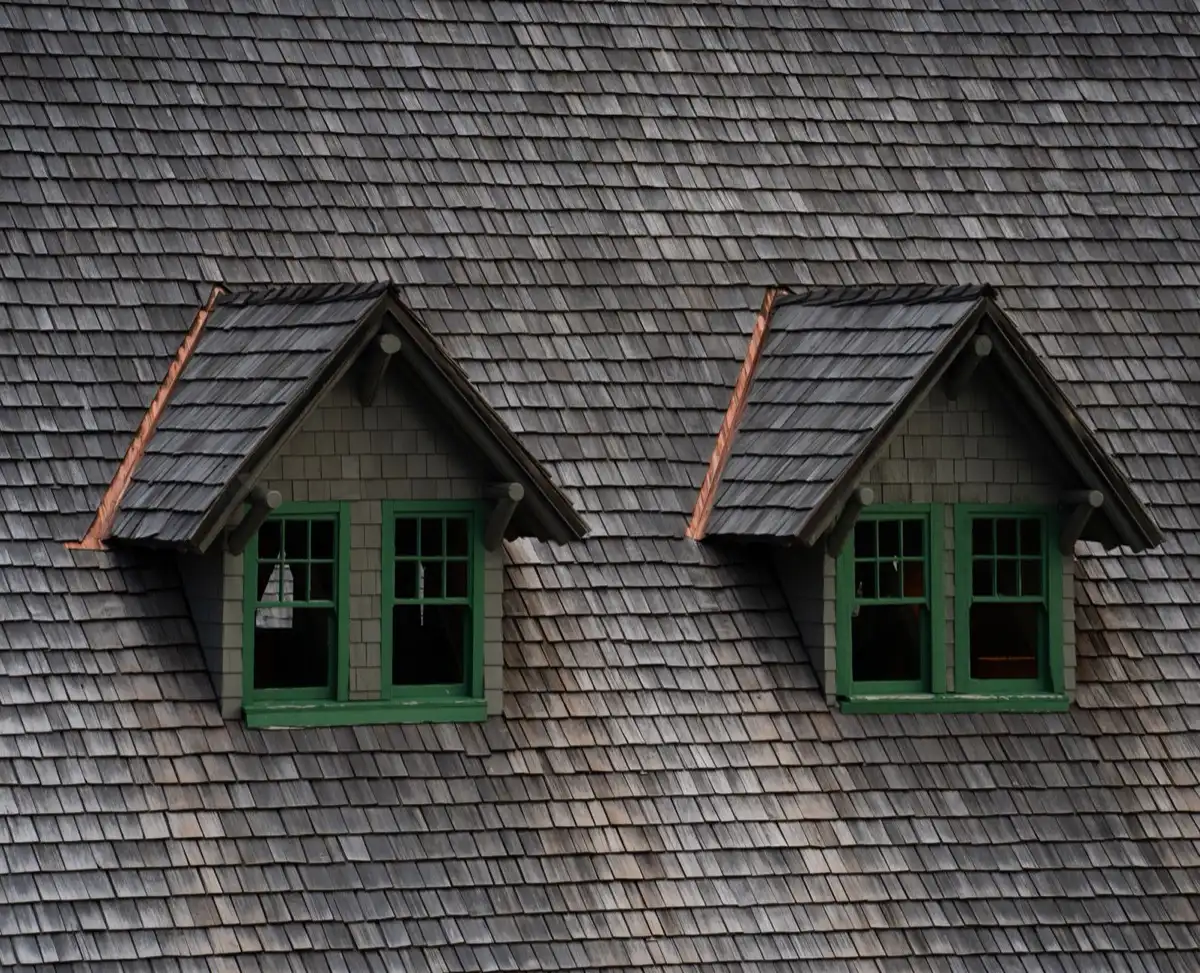
Peoria's eaves come in two completely different kinds and they fail for opposite reasons. The 1900 to 1930 bluff houses have built-up boxed cornices in painted wood.

Chimney Flashing
Chimneys leak more than any other part of a Peoria roof, and the reason differs by neighborhood. The old bluff houses have tall masonry stacks in soft common brick.

Commercial Roofing
Peoria's commercial roof stock splits along the same line the houses do. Down on the valley floor there are older industrial and warehouse buildings near the river.
Insurance Claim Help
We help with claims and we are careful about the line. We document what we find, we meet your adjuster on the roof, and we write scopes that match the building.
What Peoria Customers Say
They were the only company that asked where on the bluff we were before quoting. Two other bids came in low and neither of them had figured out that a trailer cannot sit on our driveway. No surprises on the invoice.
Talked us out of a full replacement. Said the deck was sound and we had years left, then fixed the two pipe boots and the valley for a few hundred dollars. Came back a year later and checked it for nothing.
We asked about metal and they walked the lot, said it was a good candidate out here and explained why it would not have been at our old house on the West Bluff. Standing seam went on in three days and looks square from every angle.
After the wind event they photographed everything before touching it and met our adjuster on the roof. The access line item they documented got approved. The crew cleaned up so well I could not tell where the trailer had been.
Peoria Roof Pros is a licensed, insured roofing contractor in Peoria, Illinois, handling roof replacement, leak repair, storm and wind damage, asphalt shingle and standing seam metal roofs, low-slope membrane, ventilation and commercial work across Peoria County and the Tazewell and Woodford county side of the river. Residential and commercial, repair and replacement.
We work one way that most roofers here do not: we price the site before we price the roof. The Illinois River bluff runs straight through this city, and the United States Geological Survey puts ground at Peoria Heights more than 340 feet higher a single mile west of the river bank. Wind exposure, drainage and truck access all change across that mile.
That means Peoria is several roofing markets inside one city limit. A plateau house in Dunlap needs a wind package a valley-floor house in Creve Coeur will never use, and a bluff-face house on the West Bluff needs a staging plan neither of them requires. Every scope we write names your zone and shows what it costs. We would rather tell you your address does not need the expensive package than sell you one.
About Peoria Roof Pros in Peoria, IL
Peoria Roof Pros works Peoria, Peoria Heights, West Peoria, Bartonville, East Peoria, Washington, Morton, Pekin, Dunlap, Chillicothe and the smaller Woodford and Fulton county towns around them. We build asphalt shingle roofs, standing seam metal, and low-slope membrane, and we repair a great deal more than we replace.
This company argues the way it does because of the ground. Peoria County has 410 feet of relief between the Illinois River and its high ground, according to the Illinois State Geological Survey, and most of it happens along one bluff line running through the built-up part of the city. That is not mountain topography, where elevation bands are separate communities miles apart. Here the transition happens inside neighborhoods, so two houses on one street can be different jobs.
If the lowest number on the table is what you are after, we are the wrong company. We will not skip the re-deck on board sheathing, we will not coat a shingle roof, and we will not quote a bluff-face lot at plateau prices and then discover the driveway. If you are selling in six months and want a roof that looks new, someone else will do that cheaper, and we will tell you so on the phone.
Recent Projects Across the central Illinois River valley

Service Areas
Peoria Roof Pros serves Peoria, IL and surrounding communities including:
Commercial Roofing in Peoria, IL and Across Peoria County
We roof and maintain warehouse and light-industrial buildings on the valley floor near the river, and retail, medical and office space up on the plateau along the arterial corridors. The two sets of buildings fail differently. Riverfront decks carry several generations of roofing and drainage built for a roof that is no longer there. Plateau buildings take uplift at the perimeter and corner zones that the field never sees. We core-test before we quote either one.
- ✓60-mil TPO over a glass-mat gypsum cover board on most open fields
- ✓Fully adhered EPDM where rooftop equipment and foot traffic are constant
- ✓Two-ply SBS modified bitumen on decks that get walked hard
- ✓Tapered polyisocyanurate to fix drainage the original roof never had
- ✓Perimeter and corner fastening increased for exposed plateau sites
- ✓Core cuts and moisture mapping before any restoration is priced
- ✓Twice-yearly maintenance with drains cleared before leaf fall and before the thaw
- ✓Phased roof replacement for tenants who cannot shut the building down
Frequently Asked Questions
Why does a Peoria roofer need to know which side of the bluff I live on?
Because the exposure is genuinely different. USGS elevation data puts the ground at Peoria Heights more than 340 feet above the river bank one mile away, and air crossing the valley speeds up going over that rim. A plateau house needs six fasteners per shingle and cemented starter at both rakes. A valley-floor house at 480 feet does not, and paying for it there is money spent on a load your address never sees.
Does a bluff-face lot really cost more to roof?
Yes, and honest bidders say so up front. On a cut-and-fill hillside lot there is often no level ground for a debris trailer, no straight path from the material drop to the eave, and a driveway too steep to back a loaded truck down. That is hand-carry time, extra staging and sometimes a boom. It has nothing to do with how steep your roof is and everything to do with the ground around it.
Should the contractor's license number be on my bid?
Yes. The Illinois Roofing Industry Licensing Act requires a licensed roofing contractor to put the license number and the name as it appears on the license on all contracts and bids, and on any advertising for the work. The Act also splits licenses into a limited class, which covers residential property of eight units or under, and an unlimited class that also covers commercial and industrial work. Ask which one a bidder holds.
Is standing seam metal a good idea on the West Bluff?
Usually not, and the reason is the lot rather than the roof. Standing seam comes in long continuous panels that have to be formed, staged flat and carried up without kinking, and a narrow hillside lot with a retaining wall has nowhere to do any of that. It can be done with off-site forming and a lift, at a real premium. On an open plateau lot in Dunlap or Morton it is straightforward and often the better roof.
Does hail follow the bluff the way wind does?
No, and we say so on our hail page too. Hail falls with the same energy at 785 feet in Peoria Heights as it does at 480 feet in Creve Coeur. Elevation shapes wind, drainage and access here. It does not shape hail. What matters with a hail claim is an honest test-square count and soft-metal evidence, not a story about your address.
Can you coat my shingle roof instead of replacing it?
No. We decline that work. Sealing a shingle roof traps moisture in an assembly built to breathe, voids whatever manufacturer warranty remains, and leaves you paying more for the tear-off later, since the shingles come off in sheets. It looks acceptable for about two years. Coatings are a genuinely good answer on sound metal and on aged low-slope membrane with dry insulation underneath, applied between roughly May and September so they cure.